
Environmental land management as an environmental justice issue
Case Study by Charlie Masquelier, University of Exeter
Photos Credit: Charlie Masquelier
The Project
This work is based on research undertaken as part of RENEW’s Theme 3. The theme of environmental injustice was not something we had foreseen when we interviewed land managers about enablers of and barriers to high quality engagement in nature recovery. It was nevertheless one that came across strongly in the interviews. This case study therefore arises from a core theme emerging from the interviews with land managers undertaken within Theme 3.
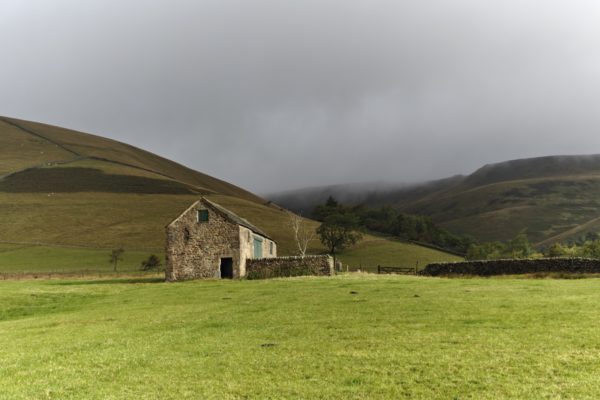
The Justice Issue
Land managers (tenant farmers and landowners – who sometimes do not identify as farmers) were the key group expressing their views in a manner echoing experiences of environmental injustice. The main issue at hand for this group was what they experienced as a fairly tangible exclusion from key decision-making processes around nature recovery. Despite being the key stakeholder in environmental land management, they felt they were disempowered from making decisions that directly affect the way they manage the land.
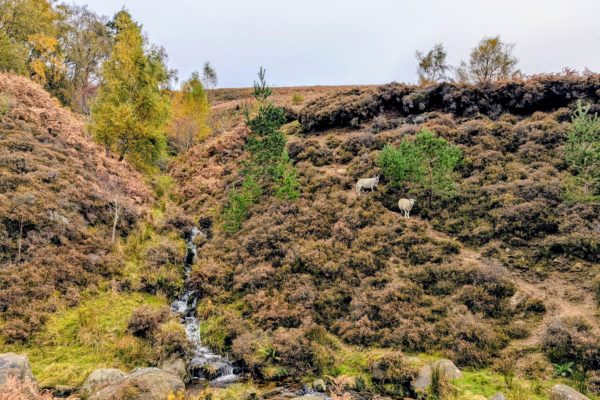
The Language of Environmental Justice
No direct or explicit references to environmental (in)justice were made by participants. This is not a term they tend to use. However, much of what they had to say about their relationship with governmental and arm’s-length bodies had to do with power and feeling powerless in the face of decisions made by those groups. This was accompanied by demands for greater involvement in decision-making processes directly affecting them.
Pathways & Priorities Forward
At the level of schemes that encourage farmers to take nature recovery actions:
• Designing agri-environment that are outcome-based so that land managers can draw on their knowledge to achieve an outcome
• Incentivising collaborative farmer-led approaches to landscape recovery
• Ensuring that land managers receive a base payment in case weather events or other events independent of their control prevent them from achieving said outcomes
At the structural/policy level:
• Greater representation of the farming voice in key organisations, such as Defra and Natural England – and even in relevant NGOs
• Ensuring that policymakers recognise the value of the experiential knowledge of land managers. This knowledge might not be formally recognised as ‘scientific’ but could still play an important role in delivery effective nature recovery
Project Team

Charles Masquelier (University of Exeter) is an environmental sociologist working on issues of environmental justice and social empowerment. He is particularly interested in exploring the role sociology can play in tackling the biodiversity crisis. Much of his latest work focuses on how land managers can be empowered to restore nature.
A FARMER-LED APPROACH TO LANDSCAPE RECOVERY:
REVIEW, ASSESSMENT, AND NEXT STEPS
A report from Charlie’s project ‘A farmer-led approach to landscape recovery’, designed to empower land managers as key drivers of environmental change and funded by Farming in Protected Landscapes (FiPL).
BOG TALK: INSIGHTS FROM ENGAGEMENT WITH LAND MANAGERS IN THE HIGH PEAK
A brief report here of Charlie’s work with Peak District upland land managers has involved deliberative methods deployed for understanding the key challenges faced by these stakeholders in engaging with nature recovery.
Read more about Charlie’s work here
Discover more about Theme 3 of renew:
Land Managers
“Our work with land managers recognises that currently the delivery of nature renewal relies heavily on highly managed reserves and broad policy incentives interspersed with opportunistic initiatives.”