
Birmingham City of Nature
Case study written by Ria Poole (Univeristy of Exeter) in conversation with Debbie Needle (Naturally Birmingham CIC)
The Project
Naturally Birmingham CIC sought to address the complex issue of managing green spaces well and facilitating community connections to green spaces within the city, particularly for the most disadvantaged areas, within the Birmingham City of Nature Plan. Birmingham has around 600 bounded green spaces and is in need of 400 more – these can include pocket parks, which are pockets of green space large enough for infrastructure so that people can consider it to be a small local park.
Naturally Birmingham is now a Community Interest Company (CIC) supporting the delivery of Birmingham City Council’s City of Nature Plan. READ MORE HERE.
The Justice Issue
An environmental justice map was created to map green spaces, flood risks, urban heat risks and indices of multiple deprivation, and from this a pilot project was launched in the Boardesley and Highgate area to consider how to increase the natural capital value of the site for financing the park, improving the physical environment and providing activities for the community to engage with the environment. Considering the pilot data, some respondents noted that many parks were not safe for lone walkers to use, and without park keepers, park wardens or well-lit pathways these areas are “no-go zones for many”. In response, Public Health funded the Ranger Service – park rangers who look after the site and take groups around, including school groups. To address the lighting issue, the project team ensured that all faulty lights were working again, and they cut back the trees where they had overgrown the lighting.

Source: Birmingham City Council
Read more about the City of Nature pilot project and the Environmental Justice Map here.
Pathway Forward
Following on from the pilot, additional wards were added to the project for improvement, including adding the Ranger Service. Assessment via Future Parks standard scoring saw the intervention improve the scoring of these parks from poor to good. Debbie Needle, Naturally Birmingham CIC Director, commented: “they went from, I’m not going to go on that park at all because it’s too dangerous or it’s too full of litter to everybody’s using the park and lots of activities are being delivered there and people feel safe going there. It was actually quite a small but focused effort that took it from poor to good.” As well as seeing an increase in people using the parks, the team worked with the Wildlife Trust to look at the habitats and improve the infrastructure and biodiversity of Bloomsbury Park.
The team noted that they needed to provide bespoke ranger support for first generation parents who don’t speak English to facilitate engagement with families. Initially they found that they weren’t engaging with families with early years children because there was no one to translate for them (often older children would translate for their parents, but only if they were available). To address this accessibility issue as a first step, the team are now seeking translators for activities to enable them to run early years sessions run by Birmingham Open Spaces Forum. Furthermore, in terms of religious and cultural sensitivities (such as it not being appropriate for Muslim women to be led around a park by a male ranger), the team are considering allocating rangers to groups based on gender to improve accessibility for minoritised groups.
The Case Study Team
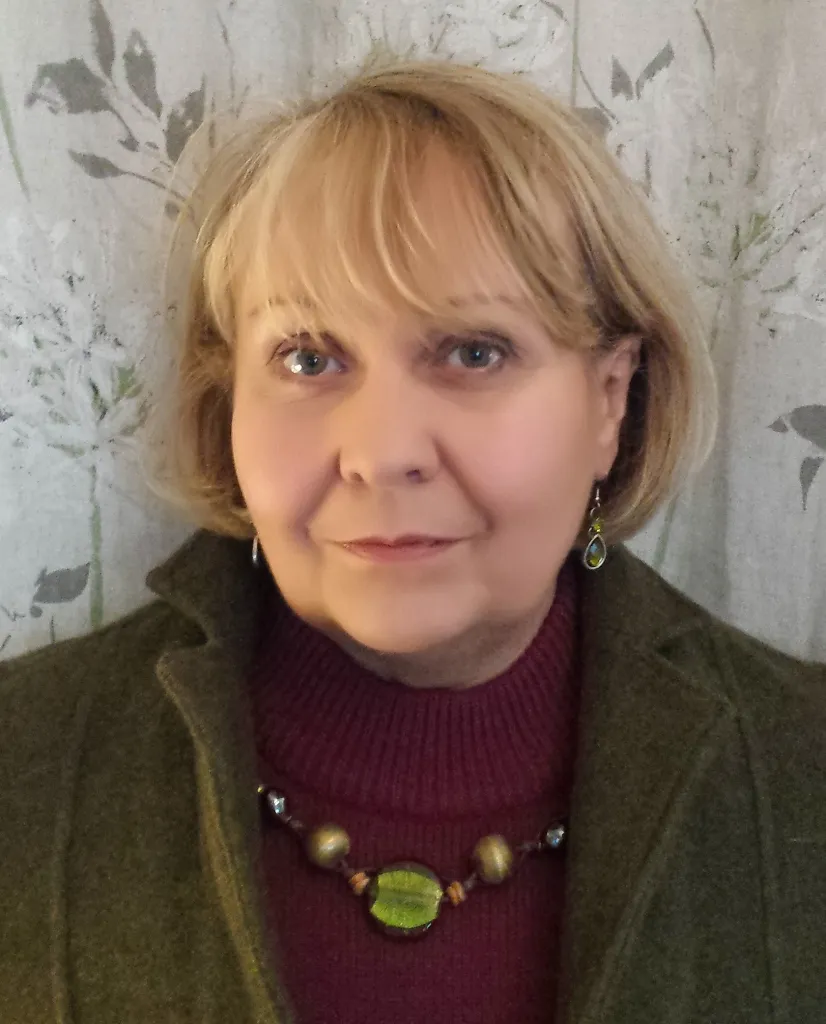 Deborah / Debbie Needle is the Director of Naturally Birmingham CIC.
GET CONNECTED WITH DEBBIE.
‘I have spent most of my career working at the intersection of nature, communities and public systems, helping people connect with the green spaces around them and supporting the networks that care for them.
My work began with muddy boots in Birmingham’s parks and nature sites, learning land management, conservation and environmental education from the ground up. Over time my roles expanded to include strategic work across the city’s green infrastructure, bridging the physical world of landscapes and wildlife with the digital systems and partnerships that help manage and sustain them.
Along the way I discovered that the most important work often happens between systems – where communities, organisations and public bodies meet.
Through Sylvanus LLP I supported schools, Friends of Parks groups and community organisations to build stronger relationships with local green spaces, while contributing to wider initiatives such as Birmingham’s City of Nature work.
I am particularly interested in how shared experiences of nature can build trust, learning and collaboration, and how cities can create the conditions for people and wildlife to thrive together.
This work is now evolving into a new chapter through Naturally Birmingham CIC, continuing a focus on community-centred nature connection and the long-term stewardship of urban green spaces.
Cities, like ecosystems, evolve through relationships. I enjoy working in the spaces where those relationships can grow.’