
Black Environmental Network: Building environmental justice for ethnic minorities
Case Study by Judy Ling Wong of the Black Environment Network (BEN)
BLACK ENVIRONMENTAL NETWORK
BEN was formed to pioneer and enable multicultural environmental participation as the core of ethnic environmental justice. 2026 sees the database “Climate Reframe” list over 200 ethnic minority environmental leaders and activists.
In 1987, the mainstream environmental sector was entirely white. BEN asserted that “There is no such thing as a purely environmental initiative. A so-called purely environmental initiative is one that has rejected its social, cultural and economic dimensions.” This recognition took BEN and environmental organisations of goodwill onto the journey to unlock full ethnic environmental participation. And of course, cultural incorporates the spiritual dimension. Prayer is activism.
Ethnic minorities live mainly in urban areas, but the principle is that even if one ethnic minority person is present, for example in a very rural area, then ethnic inclusion should be on the agenda.
Attention to process and structure is key to enabling inclusive participation. Actions for environmental justice include promoting understanding of multicultural participation, strengthening inclusion in policy, making policy visible, and representation, engagement and frameworks of support for joint work by environmental organisations and ethnic minority groups on the ground.
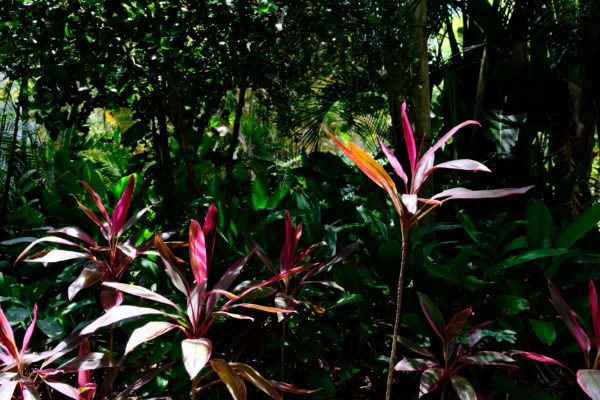
Ethnic inclusion at policy level with strategic actions on the ground enables change. The process is practically kicked off by providing access to the enjoyment of nature to deprived ethnic minority groups. Access to nature enables the love of nature to grow so that it is owned. The process of building motivation to care for nature can be summed up as “We love what we enjoy and we protect what we love.” With appropriate support, the identification of policy and actions for environmental justice is then in the hands of those that wish to engage with the improvement of their own surroundings.
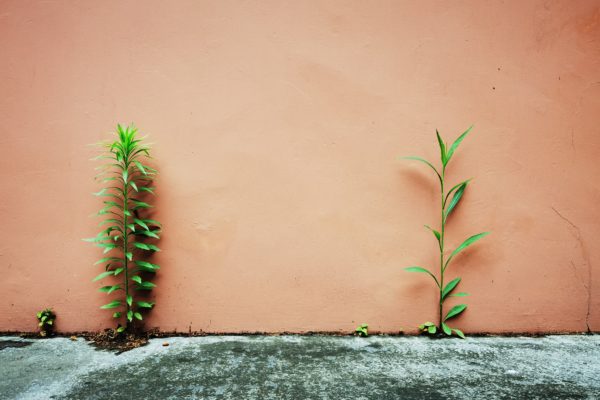
Black Environment Network played various developmental roles in the facilitation of multicultural environmental participation. At the very beginning was the crucial role of being the bridging partner to bring mainstream environmental organisations and ethnic minority groups together. BEN used its connections and expertise to support and train personnel from the mainstream. This was not a simple matter of just introducing them. At that time, most ethnic minorities were not familiar with the idea of environmental actions where they lived. The groundwork involved exposing ethnic minorities to the range of actions possible by arranging visits to areas where this had taken place. With mainstream environmental organisations, BEN opened them up to the concept of socio-cultural frameworks and enabled them to work in partnership with ethnic minorities to identify and tap into the culture-specific dimensions of environmental action.

For BEN, success meant doing itself out of a job. As mainstream environmental organisations and ethnic minorities came together, the field of multicultural environmental participation became part of the mainstream process of engagement. Many mainstream environmental organisations now have the confidence and a range of skills to reach out to ethnic minorities to involve them effectively. Now and then, there are gaps to plug, but BEN is proud to say that putting multicultural environmental participation into place is no longer the role of BEN alone.
Project Team
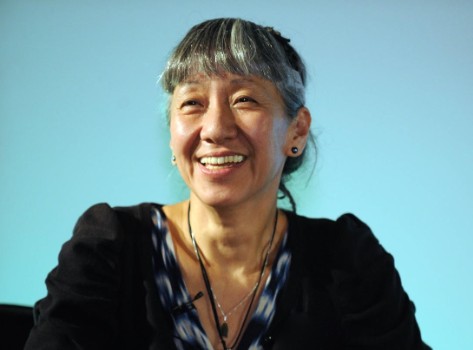 Judy Ling Wong CBE, painter, poet and environmentalist, is best known as the Honorary President of Black Environment Network, with an international reputation as the pioneer in the field of ethnic participation in the built and natural environment. She is a major voice on policy towards social inclusion. She pioneered an integrative approach to environmental participation, bringing together social, cultural, environmental and economic concerns. At this stage of her life, she continues to contribute to key environmental agendas, but in recent years, is giving time to return to her arts