
Ecological restoration and social inclusion are inseparable: Allestree Park Urban Community Rewilding
Case Study by Flavia Ojok and Jo Smith, Derbyshire Wildlife Trust
Background Photography Credit: Matt Bukler
ALLESTREE PARK COMMUNITY REWILDING
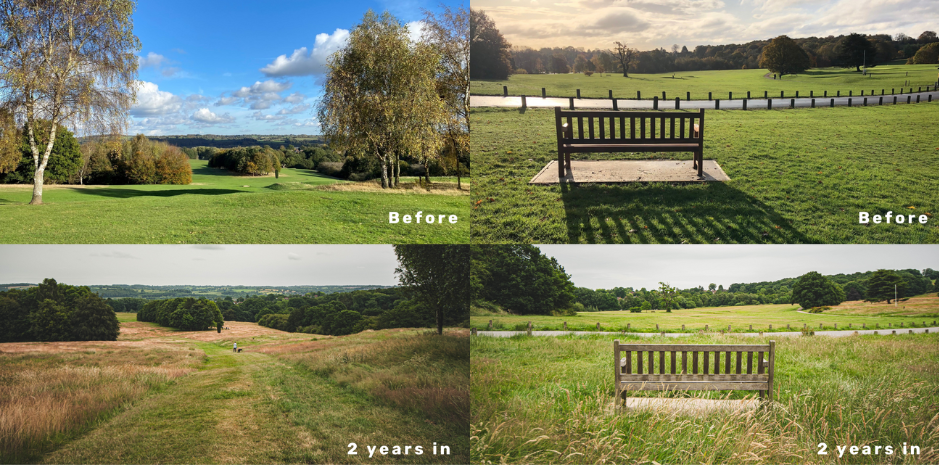
Allestree Park in Derby is the focus of a large urban community rewilding project led by Derbyshire Wildlife Trust in partnership with Derby City Council and the University of Derby. The project aims to restore natural processes across Derby’s largest public park while ensuring that local communities can shape, access, and benefit from the changes. Supported by more than £1 million from the National Lottery Climate Action Fund, the work combines habitat restoration, community engagement, and learning.
Photography Credit: Derbyshire Wildlife Trust
Activities have included improving flower-rich grasslands, supporting wetland and woodland recovery, mimicking missing species’ ecological roles through interventions such as beaver-style dams and soil disturbance, and creating opportunities for people to take part through volunteering, citizen science, Junior Rangers, Nature Tots, wellbeing activities, and community events. The project is intended not only to improve biodiversity and climate resilience, but also to test what inclusive urban rewilding can look like in practice.
The Justice Issue
A central justice issue we know well within the environmental world is unequal access to nature and to the physical and mental health benefits that green space can provide. Although Allestree Park is a public asset, not everyone experiences it equally. Barriers such as transport, confidence, cost of equipment, disability access, health needs, and cultural relevance can affect whether people feel welcome, safe, or able to take part. This means that environmental benefit is unevenly distributed, with some communities more able than others to enjoy and influence nature recovery.
Photography Credit: Andy Honman
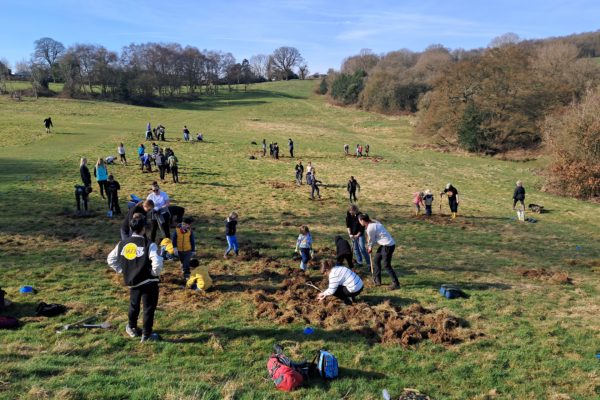
There is also an environmental justice dimension in the condition of the park itself: degraded habitats, biodiversity loss, and weak climate resilience affect both wildlife and the communities who rely on urban green space for recreation, wellbeing, and connection. These concerns came to light through consultation, ongoing community conversations, and project evidence. The language used was not always framed explicitly as ‘environmental justice’, but it often centred on access, belonging, inclusion, and who gets to benefit from green space.
Photography Credit: Andy Honman
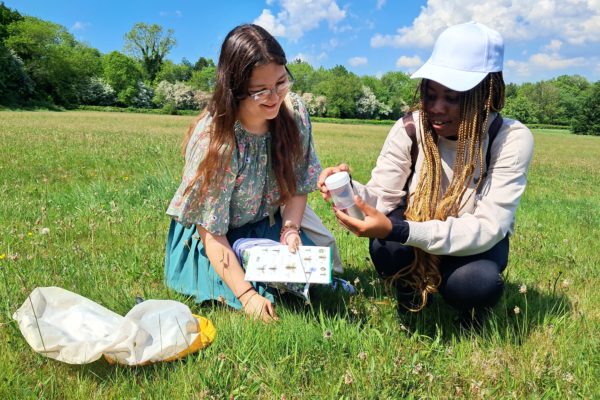
Responses to these concerns included accessible benches and signage, co-designed improvements, outreach activity, a Nature Buddy programme, and an outdoor kit-store to reduce participation barriers.
Photography Credit: Emily Hughes
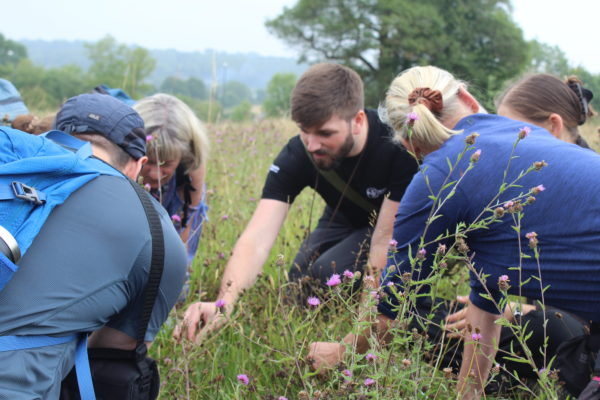
Participation data, attendance at events, volunteer involvement, school engagement, and citizen science activity also helped show who was being reached and where gaps remained. Research and monitoring with the University of Derby, including work on soil, water, and ecological change, added further evidence about longer-term environmental conditions. There is more that could usefully be explored. In particular, it would be valuable to understand in greater depth which groups are still not engaging and why, whether the benefits of the project are being shared equitably over time, and how rewilding interacts with wider inequalities such as deprivation, disability access, transport, and decision-making power.
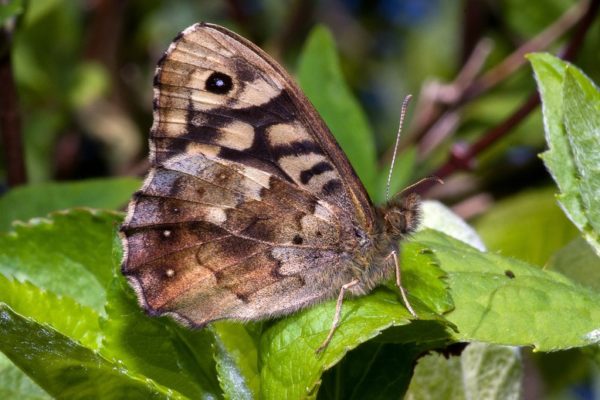
Photography Credit: Steve Plant
Pathway Forward
Therefore, the key pathway forward for us is to treat ecological restoration and social inclusion as inseparable. That means continuing to remove barriers to participation, investing in accessible and culturally relevant engagement, strengthening community influence over decisions, and improving data on who benefits from the park. Long-term partnership working
across environment, health, education, and local government will also be important if urban rewilding is to reduce injustice rather than reproduce it.
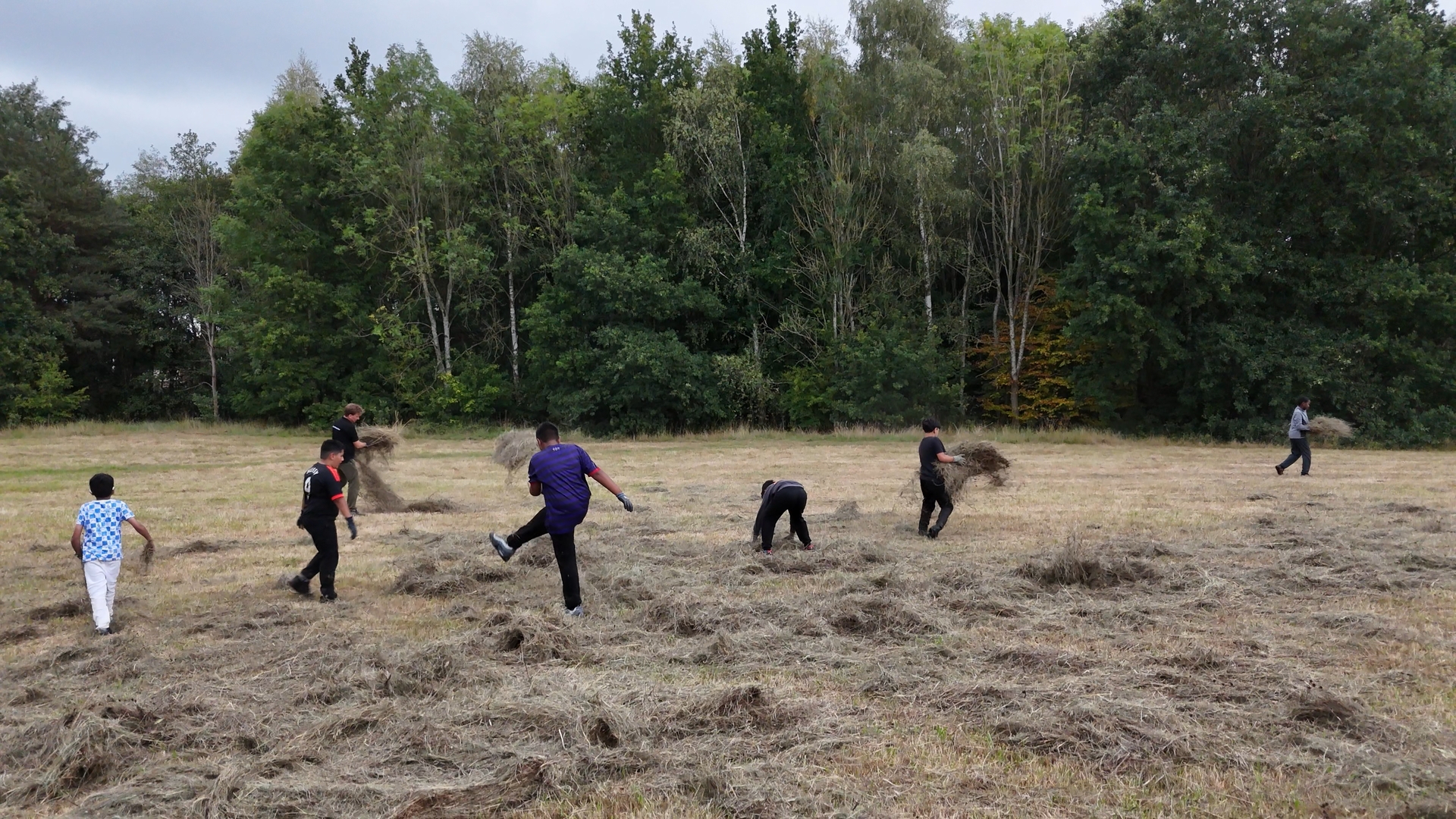
Photography Credit: Adam Dosunmu Slater
Case Study Team
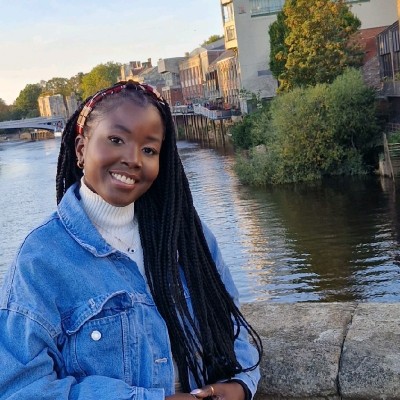
Flavia Ojok is the Director of Equity, Green Skills and Inclusion at Derbyshire Wildlife Trust.
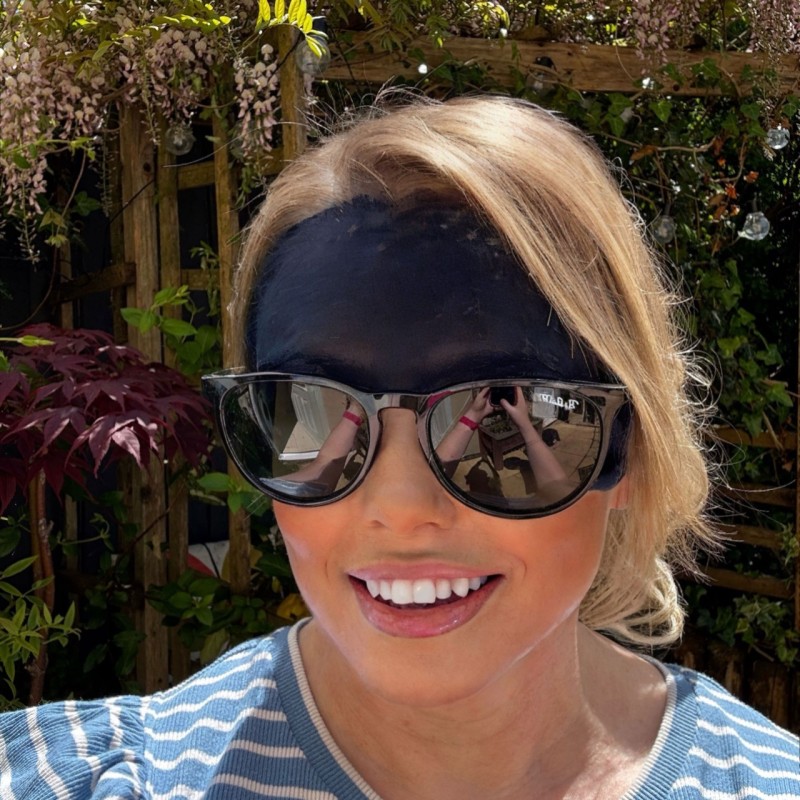
Jo Smith is the Chief Executive of Derbyshire Wildlife Trust.
Find here a blog written by Jo Smith and Flavia Ojok, following their participation at the Environmental Justice parliament hosted by RENEW in November 2025.