
Environmental Justice Forum
Many communities feel disconnected from nature and its benefits. RENEW’s people-in-nature approach puts fairness for people at the heart of biodiversity renewal. This means taking environmental injustice seriously. But what is environmental justice, and what does it mean in the context of nature and biodiversity renewal? What is being done about it, and what more needs to be done?
Working with partners from RENEW and the wider environmental sector, Environmental Justice Forum aims to:
• Enhance understanding of nature-related environmental injustices in the UK, and current and potential responses.
• Provide opportunities to discuss these issues in a supportive, respectful and constructive environment, facilitating learning and information exchange.
• Co-create resources to support those who work or are active in this sector to tackle environmental injustices.
the third forum
In the third and final forum meeting on 13 February 2026, we focus on calls to action to help address environmental injustice. We are bringing together members of the Forums we have run to date with new participants from organisations committed to tackling environmental injustice (e.g. the Environment Agency, NERC – Natural Environmental Research Council, Natural England, Wildlife & Countryside Link).
In light of the challenges and opportunities we have identified in previous Forums, we want to facilitate a discussion on key calls to action for practitioners and decision-makers across different domains. We are seeking to collect actionable, effective, bold steps that can be taken by different types of actors across different timescales, from immediate to longer term.
Our Focus: Calls to Action
• Resources & Funding
• Organisational Culture & Leadership
• Politics, Policy & Practice
“We should start acting like a family in our own home, the Earth,
and start to collaborate and to gain from the tremendous diversity
of cultural knowledge and relationship to the environment.”
“Every community views nature in a different way; it’s a relationship where we also learn from.”
— Participants at the Second Forum
The Second Forum
In our second Forum held on 6 June 2025, we convened twenty-five leaders from third and public sector bodies (including The National Trust, the Wildlife Trusts, and Natural England) and community changemakers involved in the first forum.
Here we considered the learnings from the first forum on defining the problem and reflected on how practices in the nature and environmental sectors could change as a result. We explored approaches and actions taken by organisations in terms of what worked well and what gaps remain. We noted actions recommended by forum members and future priorities for the sector.
Findings
• Empowerment and Education
• Diversity and Storytelling
• Actions and Challenges in Practices
 “… when you deeply, deeply belong,
you start to be vulnerable enough to understand the ecosystems around you.”
“We are nature.
The protection of nature, therefore includes the protection of people.”
— Participants at the First Forum
The First Forum
Our first forum was held on 25 October 2024, where eighteen people attended, including University of Exeter’s RENEW researchers, representatives of RENEW partner organisations and invited eNGOs.
We sought to understand the problem of environmental injustice in the context of our global biodiversity crisis by listening to the voices and experiences of diverse changemakers working at community levels to improve access to nature and address environmental injustices. Facilitated by RENEW researchers, the forum focused on exchanging views and collectively discussing the nature of the problems we face in terms of exclusions from nature, the countryside, biodiversity, and green spaces. We also explored different dimensions of exclusion and injustice – for example, based upon race, income, urban versus rural, gender and disability – and reflected on their historical roots and continuing presence.
“Social justice is about having those honest conversations about belonging.”
“Power and spaces need to be shared, and this needs to be a guiding principle: we own therefore we share.”
–Participants at the First Forum
Themes
• Beyond Access: Identity, Trust, Belonging
• Scales of Environmental (In)justice: Systemic, Holistic, Global
• Meaning and Connection: Joy, Beauty, Emotion
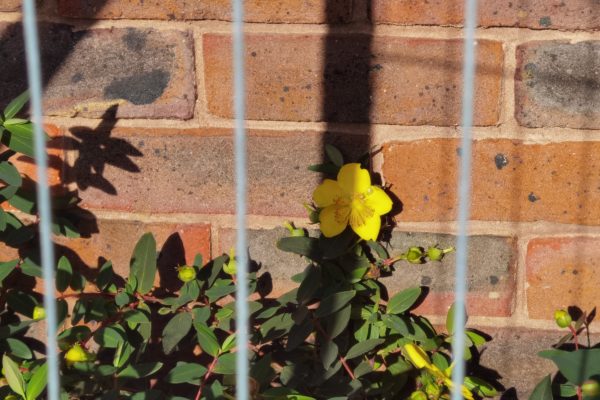

Beyond Access: Identity, Trust, and Belonging
Exclusion from nature has deep roots in colonial histories. Being seen by others as not belonging, being viewed with suspicion, and standing out as ‘different’ are powerful blockers engagement with nature for people in marginalised groups. There blockers require radical action beyond standard accessibility programmes.
Provocations
- Who is the ‘perfect visitor’ in nature?
- What can white people do in nature that would be treated suspicious if done by BIPOC people?
- Is a primary focus on access a way of avoiding the really hard questions related to culture, whiteness, and nature?

Scales of Environmental (In)justice: systemic, holistic, global
Environmental Justice requires systemic change focused on decolonialisation and control over natural spaces. This needs to take place at landscape scale – perhaps at a global scale. How can we start to think in systemic ways to take first steps for longer term change?
Provocations
- The bird food example as a first step: avoid sourcing bird food to sustain UK birds from monoculture plantations that destroy bird species elsewhere on the planet. What other practical examples are there?
- How can overwhelm and ecoanxiety be avoided?
- Does groupthink in the NGO & broader third sector limit imaginaries for systemic change?
- Are funders of environmental efforts a key to unlocking this change?
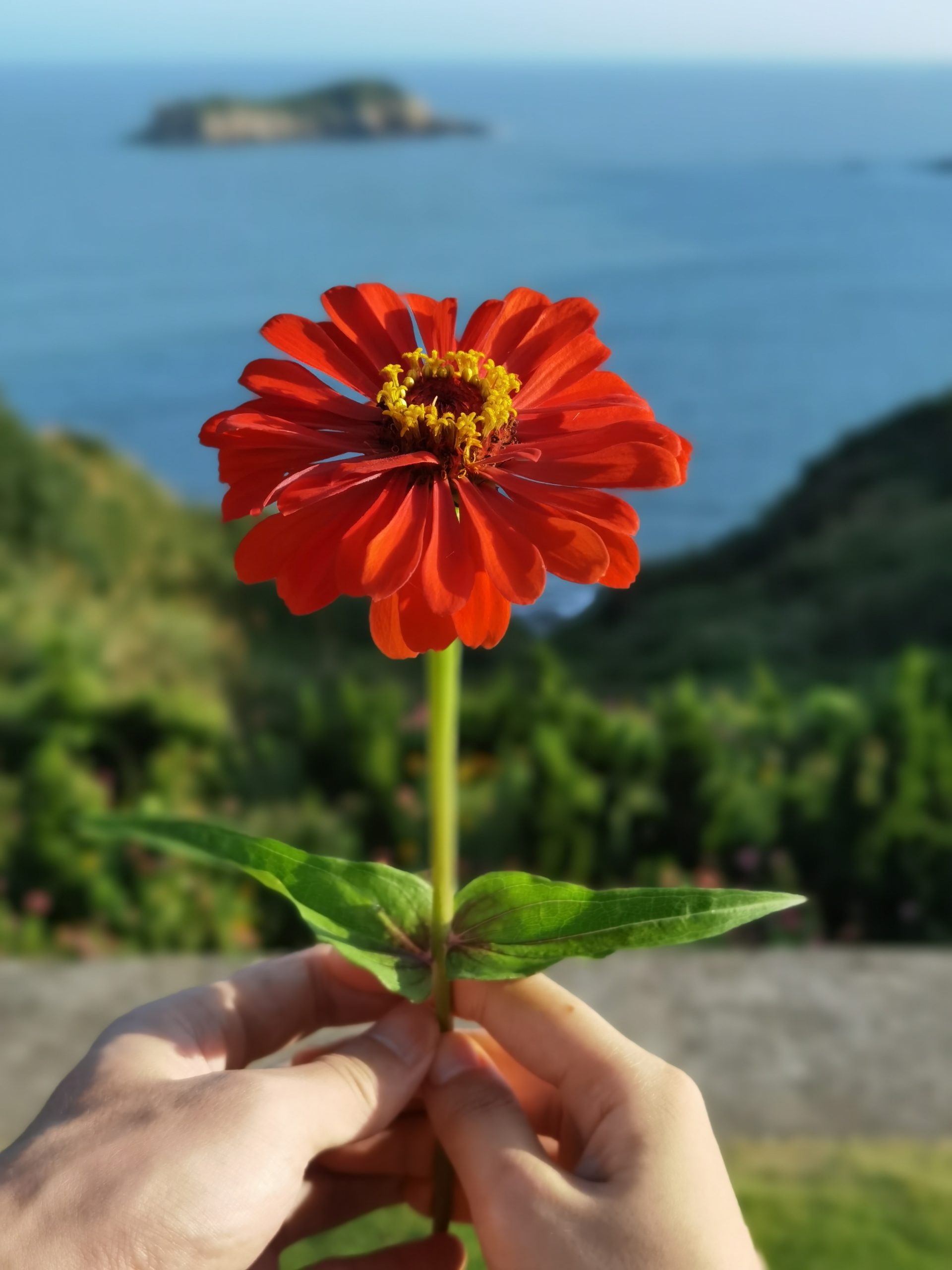
Meaning and Connection: Joy, Beauty, Emotion
Making change for environmental justice must create and feed on joy – in nature and in community. Finding joy in nature makes agency powerful and impactful: we will act to protect the things that give us joy. Multi-sensory approaches can cultivate these positive connections.
Provocations
- How can diverse experiences of beauty, and understandings of what is beautiful, be built into inclusion programmes?
- Does the idea of ‘the environment’ that dominates policy and practice reinforce culturally specific visions of natural spaces?

“Humans are very much the minority of species on this planet.
How much are we now leaving out the fact that
there are millions of other species on the planet that don’t have a say in this at all?”
— Participant at the Second Forum
Images credit: Bingshu Zhao