
Key perspectives on Environmental Justice: An Explainer
Environmental Justice has multiple dimensions. Philosophers and theorists have developed a rich literature on environmental justice, taking different approaches and emphasising the plurality of values spoken to by calls for environmental justice. These approaches are in conversation with one another – sometimes critical, sometimes expansive. This overview navigates this academic field, and is a starting point to dive deeper.
• Distributive Justice
• Recognitional Justice
• Procedural Justice
• Ecofeminism
• Ecosocialism
• Multispecies Justice
• Intergenerational Justice
Fair access to the environment
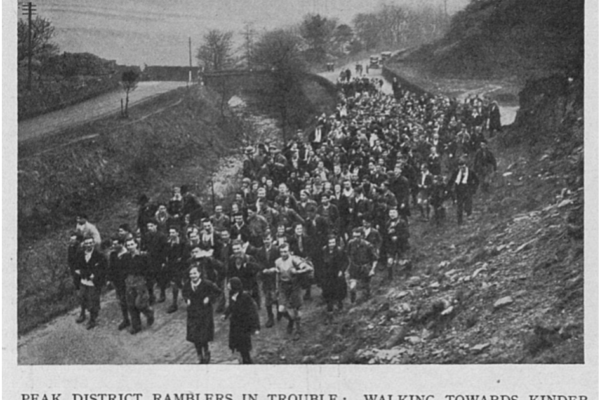
Environmental Justice as Distributive Justice. Access to the natural environment is important to living a good life. The benefits of engagement with nature are well documented: health, well-being, and happiness are all improved when people connect with the natural world.1 For this reason, access to nature should be central to political thinking about how to fairly distribute goods across people. Just as political authorities ought to ensure a fair distribution of traditional political goods such as equal opportunity or liberty, so they ought to deliver a fair distribution of access to the natural environment. Political philosophers call this political requirement ‘distributive justice’. This approach sees environmental justice as a dimension of distributive justice.
Inclusion in environmental decision-making
Environmental Justice as Procedural Justice. Political decision-making about nature should include those affected by these decisions. Given that everyone is affected by these decisions, everyone should be represented in decision-making processes about the environment. Environmental justice requires that decision-making about nature should not be top-down, expert-dominated, or technocratic. Political philosophers call this requirement ‘procedural justice’; they see it as a fundamental component of democratic societies. This approach sees environmental justice through the lens of procedural justice.

Dismantling capitalism for people and nature
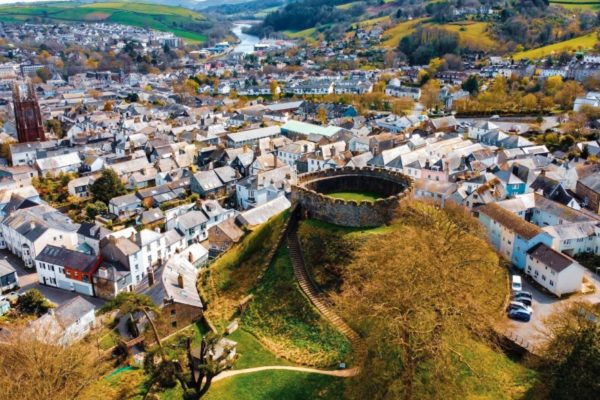
Environmental Justice as Ecosocialism. Environmental destruction and human unfreedom have the same roots: the global capitalist system. This system is designed to extract profit for the few by treating nature as an infinite resource for industrial processing, and people as dispensable cogs in the processing machines. In its pursuit of unending economic growth, capitalism thrives on the exploitation of people and planet. By replacing capitalism with socialist systems that prioritise people and respect nature, we can reverse this damage. On this approach, environmental justice requires ecosocialism.
Taking seriously diverse orientations to nature
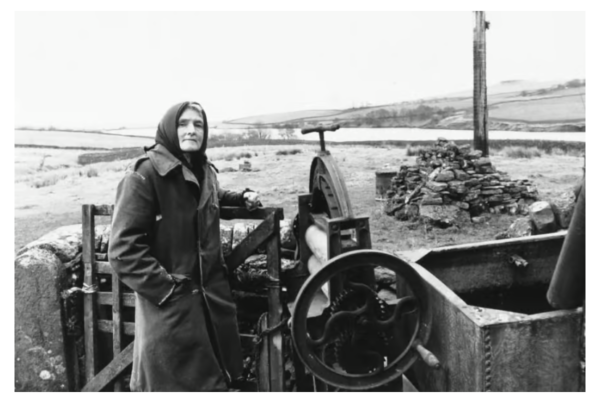
Environmental Justice as Recognitional Justice. People from diverse backgrounds and cultures experience and value nature differently. Ensuring that inclusion in environmental decision-making respects these differences is not only vital for genuine fairness, but will also enrich and improve the quality of the decision-making itself. Political philosophers call this requirement ‘recognitional justice’. It asks that environmental decision-making reflect the experiences and values of people with diverse identities. On this approach, environmental justice is recognitional justice.
Care and connection between people and nature
Environmental Justice as Ecofeminism. The ties that bind people to nature – and to one another – are at their most powerful and radical when they exhibit care. Feminists have argued that care and connectedness are practices that go beyond impartiality, and that being guided by these practices in environmental politics will enable deep and genuine transformation of the relationships between people and nature, to the benefit of both. On this approach, environmental justice is ecofeminism.

Putting nature at the centrer
Environmental Justice as Multispecies Justice. Human beings are not the only living things deserving of ethical consideration; humans are not separate from, nor more important than, nonhuman nature. The view that puts human beings at the pinnacle of valuable things – known as ‘anthropocentrism’ – is a product of the historical exercise of human power over nature, and fails to acknowledge humanity’s kinship with all living things. On this approach environmental justice requires multispecies justice.

Acting for the Future
Environmental Justice as Intergenerational Justice. Global environmental crises are fundamentally intergenerational: time’s arrow makes future people entirely vulnerable to the choices of present people. Injustice is present when current generations abuse their power to put future people in positions of unfair disadvantage. Intergenerational justice considers the duties of any current generation to future generations. It requires radical action on climate change and new institutions to secure justice for future people. On this approach, environmental injustice is the product of generational parochialism; environmental justice is intergenerational justice.
Read More

Images Sources:
- Image for distributive justice: The Kinder Trespass, The Illustrated Sporting and Dramatic News, 30th April 1932
- Image for ecosocialism: Totnes Transition Town
- Image for recognitional justice: Hannah Hauxwell (https://www.yorkshirepost.co.uk/heritage-and-retro/heritage/hannah-hauxwell-the-original-newspaper-article-which-introduced-us-to-the-lonely-lady-of-low-birk-hat-3247554)
- Image for ecofeminism: Climate Sisters Programme, WEN (https://www.wen.org.uk/2023/04/26/meet-the-climate-sisters/)
- Images for banner, procedural justice, multispecies justice, intergenerational justice: Photos by Bingshu Zhao